 Hello there Everyone! Today, I am thrilled to have guest, Alison Dotson on the Your Anxiety Toolkit Podcast. During this podcast, Alison shares her journey from not even knowing what OCD was to what helped her with her recovery. Alison and I had a fun time also managing technological hiccups, which ended up being a wonderful practice of mindfulness. Alison Dotson is the author of Being Me with OCD: How I Learned to Obsess Less and Live My Life. In this book, Alison shares her personal journey with obsessive-compulsive disorder and includes some of the most heart-wrenching details. Her genuine goal is to spread awareness and helping teens and young adults with OCD. Resources Mentioned in this this Podcast: Alisondotson.com facebook.com/beingmewithocd Imp of the Mind IOCDF.org twitter- beingmewithocd OCD Twin Cities info@ocdtc.org
Today, we have an AMAZING guess on the podcast, Dave Trachtenberg. Dave is the Program Director at Minds Incorporated. Minds Inc. is a non-profit dedicated to empowering Washington DC-area schools by teaching mindfulness-based practices to students, educators, and parents.
During the Podcast, Dave shares howMinds Inc. teaches students, starting in elementary school (and their educators, and parents) simple daily mindfulness practices. Dave speaks about how these teachings increase focus and attention, reduce stress and anxiety, create resilience and the capacity to handle difficult emotions, and build compassion.
 As discussed in the podcast, sometimes when I get down about the state of the world, I find myself doing late night Google searches on how I can make it better. In my searches, I found Minds Inc's website and came across Dave. Dave shared some beautiful stories about helping young children and teens and also shared his own struggles with OCD, Tic Disorder, Depression and Self-worth.
Dave answered the following questions:
Tell us about Minds Inc?
What got you involved in teaching meditation to Teachers, Students and Parents?
What is your personal experience with meditation and Mindfulness?
What at some experiences/examples of situations you have had with youth at Minds Incorporated? (successes, struggles, changes made)?
What type of meditation does Minds Inc. teach?
What special tools/practices do you use for living mindfully?
What advice do you give for those starting out with meditation?
Tell us how you manage struggles with meditation?
How can we teach our children?
This was one of my favorite conversations and I am so thrilled to share it with you. I would love to hear your feedback. Have a wonderful day! Kimberley Resources: Mindsincorporated.org Brain Lock Angel Kyodo Williams http://transformativechange.org/founder/ Pema Chodron Link here Mindfulness For Dummies Mindfulness An * Week Plan How to Live in a Frantic WorldVulnerability: The Road to Courage, Self-Compassion and Self-Worth
In today’s podcast, I wanted to dissect the concept of Vulnerability.
Brene Brown, reknowned researcher on Vulnerability defines Vulnerability as
“Uncertainty, Risk and Emotional Exposure”
I find this somewhat ironic, as Uncertainty, Risk and Emotional Exposure are the worst nightmare of someone who experiences anxiety, OCD, an eating disorder (such as Anorexia Nervosa or Bulimia Nervosa), trauma, grief or depression.
I think many humans struggle with these concepts, but I feel that it is significantly difficult for those who struggle with these mental health disorders. In many cases, there is a complete rejection of vulnerability.
I believe we think that if we avoid vulnerability, we
can rid ourselves of shame, embarrassment, being judged, feeling sad or hurt.
However, all we end up doing is numbing.
When we have anxiety, we think that if we avoid vulnerability, we could rid ourselves of possible bad or catastrophic outcomes.
However, all we end up doing is becoming compulsive.
In this podcast, I detail the workings of those who are successful at being vulnerable and take a look at the outcomes that result.
We will outlines ways that you can practice vulnerability in large or small steps.
We look at the repurcussions of staying safe and avoiding vulernability and we detail the research’s findings about self-worth and conectivity.
I hope you enjoy it! This is one of my favorite subjects.
Forward we go!
Kimberley
Photo by Nathan Anderson on UnsplashEpisode #24: Willingness-Leave It All Out On The Field!
 I LOVE the term, "leave it all out on the field!" There is something totally radical and badass about the idea of "leaving it all out on the field!" It means we are committed to the hard work. It demonstrates that we are ready to feel some discomfort. "Leaving it out on the field" describes giving it your everything. I LOVE it! How does this apply to Mindfulness? The degree that you "leave it out on the field" is a great way to describe Willingness. Willingness is radically accepting and giving consent to our present experience. We can conceptualize Willingness as scale, similar to a continuum. 0/10 Willingness implies we have absolutely NO willingness to be uncomfortable (or have anxiety, intrusive thoughts, panic, have uncertainty).
 - We reject all feelings of discomfort
- Fear makes our decisions (causing us to do more compulsions)
- Disown any negative experience
- Radically accepting the feared outcome
- Allowing yourself to have anxiety, fear and intrusive thoughts.
- You LEFT IT ALL OUT ON THE FIELD!
The Mindful Use of Technology
Hi everyone! I hope this finds you well. This podcast is about a topic that is so important and so interesting to me. In this episode, we speak with screen time expert, Dr Dustin Weissman about how to use technology (smart phones, tablets, internet etc) in a mindful and healthy way. We specifically discuss how to manage Obsessive Compulsive Disorder (OCD), OCD Spectrum Disorders such as Body Dysmorphic Disorder (BDD), and Eating Disorders. In this episode, we discussed:
 - Does technology improve or harm our Self-Esteem?
- How can we create a Balanced lifestyle when using technology?
- How can Parents monitor and moderate their children's use?
- How can Parents practice sound and mindful discipline using technology as the reward or consequence?
- How can we, as adults, monitor and manage our use of technology in this era of information?
- How can we manage the compulsive use of internet/mobile devices for those with OCD and BDD?
- How can we manage reassurance seeking behaviors related to technology use?
 Special tips for those with Obsessive Compulsive Disorder (OCD), Body Dysmorphic Disorder (BDD) and Eating Disorders. Earlier this year, Dr Weissman published his dissertation titled, Impacts of Playing Massively Multiplayer Online Role-Playing Games (MMORPGs) on Individuals' Subjective Sense of Feeling Connected with Others. Some links we discussed in the Podcast: Quality Time APP: http://www.qualitytimeapp.com/faq/ MindSpace Meditation APP: https://itunes.apple.com/us/app/mindspace/id967886308?mt=8 About Dr. Weissman: Dr. Dustin Weissman holds a Psychology Doctorate and works in private practice in Westlake Village, CA. He works with clients who are struggling with any form of internet addiction or problematic internet use, which include: online gaming, gambling, pornography, or smartphone addiction. Earlier this year, he published his dissertation, Impacts of Playing Massively Multiplayer Online Role-Playing Games (MMORPGs) on Individuals' Subjective Sense of Feeling Connected with Others. A link can be found from his personal website, DustinWeissman.com. He was recently featured as an expert on screen time in an online article and has given numerous workshops. I hope you found this episode helpful. I know I did! Warmly, Kimberley
 Got something you really want to achieve? I am guessing that you most certainly do. What is holding you back from taking on this thing you want achieve? Why can't you reach this goal? This is the big question that I am toying with right now. Why can't I? Why not Me? Why not you? It is a really tough subject, because we have to face ourselves and our possibilities, and this can be SUPER scary. Sometimes, at least for me, when we look at our big goals, we are forces to tackle our deepest limiting beliefs. "I am not enough." "I am not strong enough." "No one cares about me anyway." "What's the point. I will only ruin everything anyway." These are all limiting beliefs that stop us from reaching realistic goals. Think about it. I am guessing at least one person (or maybe millions of people) have achieved your goal, or a goal like it, already. WHY NOT YOU? "It's not special if someone else has already done it." LIMITING BELIEF!!! "I don't have what it takes!" How do you know? Thomas Edison failed 1000's of times to make the light bulb. That is one piece of proof that you probably can! Persistence people! Let's really get to know our limiting beliefs and then be SUPER mindful about them. Listen to hear more about how. :)
- How to manage Postpartum OCD (including thoughts of hurting our children)
- How to help someone with Scrupulocity or Moral Obsessions (including fear of offending God or sinning)
- How to help a son with OCD and Tic Disorder
- How to manage thoughts about Death
For anyone in Las Vegas or Puerto Rico or any other place where there is destruction and pain, please know that I am praying for you and I hold you in my heart.
These scary events can trigger our already high anxiety, so please listen for some tips and tools to manage your anxiety about the current events and affairs in the news.A couple of important points:
Anger Sadness and Anxiety/Fear are all very human responses to these horrific events. Obsessions to look out for:- "Will this happen to me, or a loved one?"
- Intrusive Imagery (Mental images of people suffering from traumatic events, shootings, hurricanes, earthquakes etc)
- Intrusive sounds (Gun shots, people crying, sobbing, screaming, sirens etc)
- For those with Harm OCD: "Am I capable of doing such an act?"
- Mental Review or Mental Compulsions about the event or possibility of this happening to you or a loved one
- Reassurance Seeking (checking news, checking phones, asking a loved one if they will be ok etc)
- Avoidance (future vacations, work, school, thought blocking, etc)
- Increase in physical behaviors/compulsions.
 Today, I was lucky enough to interview Zoe Gillis, who I consider to be the MASTER of combining mindfulness with a wilderness practice. She combines hiking, backpacking and camping with Mindfulness and Meditation as a way to get a deeper understanding of our self and each other. It is BRILLIANT stuff and it makes me want to pack my bags and go camp in the dessert right now! Zoe is a Licensed Marriage and Family Therapist and a wilderness guide who is the founder of Z Adventures. Z Adventures thrives on the belief that we need to disconnect before we can connect and step out into the wilderness more often.
  During this podcast, Zoe and I discuss:
 - Ways to introduce nature into your mindfulness practice.
- How being in nature can help us identify how we see ourselves
- How being in nature can help us identify our strengths and weaknesses.
- The benefits of doing short vs. longer wilderness activities
How to Heal Self-Blame with Self-Forgiveness using Ho'oponopono Meditation
If you are anything like me, you are quick to blame yourself for any of the below reasons:- You have not achieved some level or expectation.
- You tried to better yourself and you "failed."
- You made a mistake (unintentional) or had an accident (I call this, “You Did a human” AKA Making a human mistake)
- Especially for you, if you have OCD; You have “bad” thoughts, intrusive thoughts, thoughts you deem "unacceptable."
- You feel like you are a BAD person who doesn't EVER deserve to be forgiven.
- You are attempting to work through your mental health issues.
- You struggle to do exposures or follow some treatment goal.
- You experience self-disgust (for having pimples, cellulite, intrusive thoughts etc.
My main message in this podcast is this:
HUMANS ARE NOT SUPPOSED TO BE PERFECT!
HUMANS ARE ALWAYS AND FOREVER GOING TO MAKE MISTAKES!
This podcast details a practice called Ho’oponopono. Ho-oponopon is a spiritual practice of harmony between people, nature and spirit that has been used in Hawaiian and other Polynesian cultures for centuries. Ho’oponopono Key Concept: We can heal our own wounds and then we can then go out and heal our world.Ho'oponopono Meditation Foundation:
I’m sorry.
Please forgive me.
I love you.
Thank you.
Here are some ridiculous reason to not practice Self-Forgiveness:
- You only deserve Self-Forgiveness after you make the world better (giving service to others).
- If you forgive myself, you will stop caring and let yourself go and become and even worse person.
- Once you are perfect, then you can forgive yourself.
- If you blame myself first, it will hurt less if someone else blames you or notices your imperfections.
What You Say To Yourself Matters.
More importantly, what you say to yourself about anxiety matters! In this podcast, I delve into the importance of accurate and mindful language, specifically related to how to experience and manage anxiety. Believe it or not, the story you tell yourself can greatly change the way you see yourself and the world around you. The way we talk to ourselves about our experience of anxiety can greatly affect the management of our anxiety, and can create a platform for whether we thrive or merely survive our anxiety. To help us conceptualize this subject, I use a fictional example, Mary. My hope is that Mary can help us understand the complexity of our negative thinking and help us to find new ways to talk to ourselves about our anxiety. Example: Mary has anxiety and wakes up and feeling anxious. She immediately thinks, “I am so anxious”, “Something bad is going to happen”, “It isn’t fair that this is happening”, and “Why me?” She goes off to work, repeating in her head, “I can’t do this, I can’t do this, I can’t do this…” What she is telling herself:
 - Things are bad
- Things aren’t going to get better
- She is the victim. That she has no choices here
- She doesn’t have coping skills/ She will not survive this event
What you can do differently:
During this podcast, I discuss four key steps you can take to improve your personal narrative about your anxiety. They steps will lead you towards more mindful and helpful approach to talking about your anxiety.I have outlined a step-by-step plan to help you better manage your narrative related to anxiety. We go into greater detail in the podcast, so enjoy listening!
_______________________
4-point plan to creating a more Mindful Narrative
- Be objective, not subjective See Episode #1: The Skill or Non-Judgment for more info
- Be in the present moment See Episode #8: Skill of Awareness for more info
- Take responsibility for your experience
- Practice Uncertainty See Episode #6: The Beginners Mind for more info
_____________________
To help you along with practicing these steps, I have also created a fun PDF that you can download/print and use at your leisure.
Sign up below to get access to all the Podcast Add-ons!
[embed_popupally_pro popup_id="3"] I challenge you to try this as much as you can and see the difference it makes. Small changes lead to large changes, so don’t be afraid to try it a little at a time. Even trying it once a day can get the ball rolling.Enjoy!
This podcast should not replace professional mental health care. This podcast is for education purposes only. If you feel you would benefit by seeing a clinical professional, please contact a professional mental health care provider in your area.
GUILT, SHAME and being “SO OCD” with Shala Nicely
I am honored to share with you a recent interview I did with OCD ROCKSTAR and dear friend, Shala Nicely. Shala is a Licensed Professional Counselor in Atlanta and treats OCD and OCD Spectrum Disorders using Cognitive Behavioral Therapy. I briefly outlined the conversation and left all the links discussed during the podcast. Enjoy! Shala recently wrote an awesome blog post article about a top women’s magazine that posted an article encouraging readers to “be a little OCD!” Shala declared enough was enough and got writing. Shala and her ROCKSTAR mom are doing so much to advocate for the OCD community. See the below link to check it out. http://www.shalanicely.com/misc/aha-moments-magazine-encouraging-us-little-ocd/
 How do you respond when people say, “I am SO OCD?”
Shala reports that she always aims to never shame anyone. For this reason, she talked about polite and non-shaming ways to educate others on what OCD and how painful and debilitating it can be.How does it feel when you hear someone say "I am so OCD"?
“First, frustration”, but then desire to educate others about the severity of OCD and other mental health disorders.Are people with OCD, “SO OCD?”
In today’s society, being “SO OCD” is generalized to describe someone who is meticulous and likes symmetry and neatness. This is not typical for someone with OCD. Someone who has severe OCD might be entirely ok with a dirty bedroom and not need symmetry or cleanliness at all. It is important that we educate people about the specific sub-types of OCD so that people better understand the complexities and variety of OCD symptoms. Go to Iocdf.org for more informationHow can we manage the shame and guilt that comes with having OCD or another mental health disorder?
Brene Brown has written some AWESOME literature and has done amazing research about shame and guilt. Because Shame and Guilt are so common amongst those with OCD, Anxiety, Eating Disorders and Body- Focused Repetitive Disorders, we both strongly encourage listeners to read any of her books. Kimberley also discussed Brene’s explanation of how to identify if you can trust someone. Check out the link below to watch. https://www.youtube.com/watch?v=ewngFnXcqaoShala’s FAVORITE mindfulness tool:
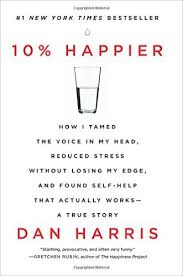
Dan Harris' 10% Happier book and App.
https://www.amazon.com/10-Happier-Self-Help-Actually-Works/dp/0062265431/ref=sr_1_1?ie=UTF8&qid=1500508777&sr=8-1&keywords=10%25+happierHow to find out more about Shala Nicely
Shalanicely.com Beyondthedoubt.com/keywords You can also watch the unedited version of this podcast below https://www.youtube.com/watch?v=_4zPJTCORqg&t=8s This podcast is based on the phrase, "It takes a village to raise a child". This phrase is used often to explain the importance of community when raising a thriving and successful child. We believe that you can create your own "micro-village" to help you along with your recovery. Today we talk about ways to create YOUR "Village" (in whatever form you think is helpful) to help you with your on personal recovery. We discuss how to find the correct treatment, access the most helpful resources and how to include your family members, friends or partners in your recovery, in a healthy and helpful way. Below is a basic layout of our conversation. Enjoy!!!
 Today we talk about ways to create YOUR "Village". What is the most effective form of treatment for OCD, and how do I find a therapist who provides it?
Sara talks about the difference between Cognitive-Behavioral Therapy (CBT) including Exposure and Response Prevention (ERP) and psychodynamic “talk” therapy, specifically focusing on:- How to interview your therapist: what questions to ask, how to ask them, and the importance of interviewing therapists without assuming that everyone with a degree is going to be the right fit.
- How to know what kind of therapy you’re in.
How do you find a good ERP Therapist
- Check out IOCDF.org for a list of therapists who are trained in CBT and Exposure and Response Prevention (ERP).
- Once in contact with a therapist, ask if they know what ERP is?
- Ask what books they rely on when treating OCD? (This might allow you to screen them for their knowledge)
- Ask if they have they worked with OCD before and for how long? Where did they get their training
How do you know your current therapy is or isn’t working?
Sara writes, “A lot of dynamic therapists will stress that things can “get worse before they get better,” encouraging clients to wait months – or even years – to see the benefits of their work. It’s true that in any therapy, including ERP, you will likely feel worse before you start to feel better…but if months go by and you aren’t experiencing any reduction in symptoms OR if you notice – at any time – that you are getting significantly worse, it is likely time to move on.”What advice do you have for those who cannot find an ERP therapist in their area? Or, for those who can only afford a therapist in-network who does not know about ERP?
- There are some awesome workbooks out there for OCD. (Mindfulness Workbook for OCD, The OCD Workbook, Trichotillomania: An ACT-enhanced Behavior Therapy Approach Workbook)
- Ask your non-ERP therapist to read these workbooks (depending on your symptoms) ahead of time and go through them together in session.
- There are also so awesome online forums (Yahoo groups are GREAT) or online resources such as IOCDF.org, OCD stories etc (See my resources page for more info)
- Also consider the potential for Skype or teletherapy (always ask the therapist if they are legally allowed to see you from the state they are licensed in, depending on where you life)
What advice do you have for those who want to start ERP treatment, but currently have a non-ERP therapist?
Sara writes: “There are really two options here; you can leave your current therapist and start with an ERP therapist, OR you can explore the potential of seeing both at the same time.” Sara discusses the importance of collaboration and making sure that both therapists are in regular touch with each other – to prevent each therapist from working against each other. Sara encouraged therapists to coordinate care and maintain the effectiveness of both. What advice do YOU give to the family members of those who are struggling with mental health issues such as Obsessive Compulsive Disorder (OCD) and Body Focused Repetitive Behaviors (BFRB's) or Eating disorders?
Living with, and loving, someone with these disorders can be extremely challenging and it’s critical that all members of the family are as healthy as possible for everyone to thrive. Jon Hershfield’s book is great in this situation, as psycho-education is so important. Sara discusses the importance of involving family in treatment as appropriate (assuming family is supportive and including them wouldn’t be detrimental to treatment). Sara also discussed how she often recommends that family members seek out their own support – either through support groups or personal therapy. Kimberley discusses to use of the Family Accommodation Scale (FAC) to identify ways the family are accommodating the OCD compulsions. Click here for a link to the Family Accommodation Scale. Is there a kind of therapy can benefit the spouse or parent or family member of someone with OCD or other anxiety disorder, or a BFRB?
Individual therapy (and/or support groups) for the family member can be very successful. In addition, there is great benefits from continuing to be educated about the loved ones disorder and get consultation on the best ways to support them though their recovery process.What can a sufferer do when their family member or friend is not supportive of their recovery?
This is a tough, but important, question. Being unsupportive can take many different forms, from simply not understanding / participating in treatment to (on the other extreme end) working against treatment or purposely interfering with it. Someone who is not supportive of treatment is someone who is, in some way, colluding with the illness. Maybe recovery would mean that their life will be more difficult for them, or perhaps the treatment itself is hard to tolerate. Sara discusses how she often see families where more than one member is suffering from the disorder – however, only one is diagnosed and in treatment. If one partner is going through ERP, that can stress the relationship if the other partner has similar undiagnosed issues. Sometimes people aren’t supportive of recovery because it is hard at first and requires more energy/work than they are willing to put in. I can think of an example where a parent consistently disrupted treatment for their child because they didn’t want to see them in distress and the increased anxiety in the household during exposures made them uncomfortable. A highly anxious parent may have as much trouble with their child’s exposures as the child – for their own reasons. In most cases, most people get on board given enough time and education. That said, we are faced with tough decisions if our loved ones / friends interfere with treatment. Again, it is important that loved ones be brought into treatment, encouraging them to get their own support, and even the option of moving on from the relationship if it is keeping the sufferer stuck. Sara Vicendese has a private practice in Westwood, CA. Learn more about Sara on her website at http://saravicendese.com/ You may also see the unedited video interview hereThe Skill of Being Patient
There is an urgency that is ruining us in today’s culture. We must have everything right away and we get upset when we don’t get our way. When I catch myself in these behaviors, and I am mindful enough, I ask, “Why am I behaving this way?” The answer is always FEAR! We are afraid of being late. We are afraid someone will judge us or be upset at us for being late. We are afraid of not checking off everything on our list of things to do, which will make us feel unsatisfactory. We are afraid if we don’t do it fast enough, we won’t get home early enough to have a moment to ourselves, where we can breathe and find some peace. So, we clench our teeth, take the corners too fast and we fail to take in any of the joy of that moment. We keep forgetting is that peace lies in this moment. The problem here is that rushing and insisting things go to our expected timeline is setting us up to have discomfort. Patience requires us to accept and tolerate difficulties and delays, without getting angry or upset. So, how do we practice patience when we are being followed by anxiety all day, every day, particularly for those who have an anxiety disorder such as Obsessive Compulsive Disorder (OCD), Panic Disorder, Generalized Anxiety (GAD) or a specific phobia? This questions also applies to those who have other disorders such as and Eating Disorder (Anorexia Nervosa, Bulimia Nervosa or Binge Eating Disorder), or Body Focused Repetitive Behavior (hair pulling or skin picking)? Lets take a look at a few examples of how anxiety requires patience.“I want anxiety to go away now”
Patience involves the practice willingness to feel anxiety. Patience is going about your day while experiencing the anxiety you have. This is the golden rule for managing anxiety. If you are running from anxiety or pushing too fast through it, you are creating an anxiety monster. Patience is willingness and compassion all rolled into one. Patience will involve not getting angry or condemning yourself for having this fear. We tend to play the blame game when we are struggling, thinking that an appropriate amount of blame and shame will teach us to no longer feeling this way or prevent feeling it in the future. This also applies to not blaming others. Our anxiety is ours. We cannot blame others for it. Even if someone does something that makes us anxious, we must work to heal our own hearts and learn how to manage it.I want to solve the problem RIGHT NOW! I need to know the answer RIGHT NOW!
This is where patience is needed most; when you want something you have not got. This is where you have to loosen your grip and make a lot of space for uncertainty. We have to develop a deep respect for the natural unfolding of time. Just because it is unknown, does not mean it must be known. Your job is to be patient with the feeling of “un-knowing” and trust that things will happen at their pace. Again, loosen your grip, or loosen your reins and take a look around. Consider, that the answer is right in front of you. If you have Obsessive Compulsive Disorder (OCD) or anxiety, and you are on a mad rush to find the answer to an obsession you are having, it might be that patients IS the answer. It might be that madly finding the answer IS the problem. We must slow down. You take a breath and you take note of all the other things that are going on. You notice that the clouds in the sky remind you of a warm winters day when you were a kid. You actually taste the food you are eating. You really look your partner in the eye. You slowly take the corner in your car.Maybe you are overwhelmed with the societal pressure or self-imposed pressure to be better, faster, smarter, better looking, healthier, free from anxiety.
Sometimes the faster you try to achieve something, the longer it takes. If you choose the fast, wont-stop-for-anyone pace, I can almost guarantee you that you wont make lasting relationships. Its really hard to get to know someone and connect with them when you are living a rushed life, unless they are running at the same pace and enjoy the direction you are heading. The trick here is patience and compassion. We must slow down and acknowledge that we are growing at a pace that is just right for us. You are exactly where you need to be and the pace will find you. This might be hard to take, but that’s where compassion comes in. With compassion, you acknowledge how hard this is for you, right now. You accept that many others (basically any human with a heart beat) must accept that we don’t get everything we want right away, nor should we want to. There is no shame is slowing down.General life
With patience, we get to slow down and see that a lot of what we own in our house and in our life is filler to make us feel like we are going places faster. When we are patient and mindful, we can observe ourselves better and begin to see a lot of our pure and natural beauty. We get to notice all that we are. It was there all along. We were just speeding, too fast to see it. Patience is willingness to be uncomfortable and compassion for self and others, all rolled into one ball. It is a skill that will reward you greatly, if you learn to make friends with it.FIVE things for you to remeber when you think you are “failing”
Thing #1 You cannot “fail” if you are trying. If you are trying, you are being willing Failing is if you stop trying. There will be times when you have to slow down and stop your work for a moment. You may need some time to reflect (see Thing # 3 for more information on this). That being said, try to remember that slowing down is not failing either. Thing #2 This struggle is real and IMPORTANT. You are not making this struggle up. If it is hard for you, it IS hard. Just because it isn’t hard for others, does NOT discount that it IS hard for you. Be gentle with yourself. You are not dumb, or stupid, or messed up because this struggle is so hard for you. There is no rhyme or reason why this struggle chose you. All I can say is that it is yours and you are correct. IT IS HARD. Thing # 3 Make the “fail” or the struggle count. There is knowledge in each struggle. I can be helpful to ask yourself, “What message is there that we could learn from?” Possible obstacles that might be getting in the way could include concepts such as-
 - I cannot let go of control.
- I am struggling with concept of uncertainty
- I am struggling with accepting my physical discomfort
Let’s talk about your Brain and Anxiety
When your physical symptoms of anxiety are high, you may feel like nothing works. You may have moments when you feel like you can’t come back to your rational brain. When we are all wound up on anxiety, fear can run the show. You know what I am talking about, right? Despite there being some great tools out there, but one of the most difficult parts of having severe anxiety or panic is the comprehending what IS real danger and what IS NOT. Last month we talked about R.A.I.N, which is an acronym that helps us use some of the most important mindfulness tools. There is also non-judgment, acceptance, willingness, bringing our attention to the present moment. These are all wonderful tools. For me personally, if I can understand the mechanism behind what is happening, I can handle it better. That is why understanding what was happening in my brain was SO helpful. Today we are going to delve deeper into understanding our brain and what happens when we experience high anxiety. The problem with the anxious brain is that it often sets of an alarm, making us feel like our lives are at risk, danger is ahead, when really there is no danger at all. This is a mistake our brain makes, particularly when we have an anxiety disorder like Obsessive Compulsive Disorder, Generalized Anxiety Disorder, Panic Disorder, Social Anxiety or Specific Phobias. Sometimes just understanding a little bit about what our brain is doing can help us with awareness and then allow us to implement the tools better.A Simple way to Understand YOUR Brain and Anxiety
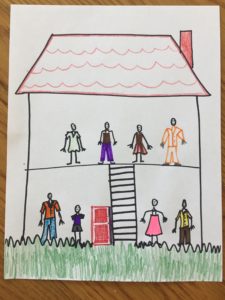 I want you to think of the brain like a house. This house is a two-story house, with a stairway that leads us to from upstairs to downstairs, or vice versa. Dan Siegel and Tina Payne wrote a wonderful book called, The Whole Brain Child that coined this concept, but I have shifted them a little to specifically address the management of anxiety. **Please note that scientifically, this is not perfect. It would take hours for me to explain the intricacies of the brain and all the areas that provide different functions. For the purpose of getting a basic understanding, we will use this simple metaphor. The Upstairs of the brain is where we do most of our Executive Functioning. What this means is, in the upstairs brain lives the “Thinkers”. Functions of the upstairs brain allows us to
 - Regulate our body (speed up or slow down)
- Tune in to someone else or something else.
- Balance our Emotions and use Empathy and compassion
- Have response flexibility (slows down the time between impulses or urges and an action). Basically, this means that we don’t respond based on pure emotion.
- Calm our fear: There are inhibitory peptides called gabba that tame our fear and help us interpret the stimuli in a rational, appropriate way. This occurs in the Prefrontal Cortex at the front of the brain.
- Creative Cassidy
- Problem Solving Pete
- Patty the Planner
- Reasonable Renee
- Calming Catarina
- Kind Kelly
- Flexible Felix
- Bodily mechanisms that are automatic (Breathing, Digestions and Blinking). It is really quite incredible that our whole body can function without us needing to do anything at all.
- Fight, flight and freeze mechanisms. This is the most important, for today‘s discussion. The downstairs is the Emotional hub of the brain. We need to be thankful for this part of our brain, as it keeps us safe from real danger. This downstairs area of the brain is what keeps us from touching the hot plate on the stove or not walking out onto a busy highway.
- Fearful Frannie
- Panicky Pete (Fight flight or freeze)
- Sad Sandra
- Furious Frank
- Bossy Benjamin
What happens when we have an Anxiety Disorder?
In some cases, as mentioned above, our brains interpret that there is danger and sends out these messages when there is, in fact, little or no danger at all. This is VERY common in anxiety disorders. We could say that our downstairs made a mistake and set off the alarms, signaling to the whole body that is must prepare for fight or flight. When I am using the metaphor of the two-story house, I often call this “lockdown”. Sometimes, just as our brains do where there is a REAL danger, when our brains mistakenly set off the alarm bells, it “locks down” the downstairs brain and won’t allow us to access our upstairs brain in a reasonable way. Problem Solving Pete and Rational Renee have no way of communicating with Panicky Patty and this keeps us from questioning if this danger is, in fact, a danger. There is great benefit from knowing this information and being able to notice and observe when your brain is sending you into “lockdown”. Just understanding and observing this can allow us to reset. In fact, identifying that we are in lockdown and that our downstairs brain is being activated instantaneously opens up the stairway a little and allows reasonable Renee to begin doing her work. It is Reasonable Renee who allows us to say “OK, I am in lockdown right now”. Isn’t that SO cool?! Dan Siegel uses the quote, “you have to name it to tame it” and I cannot agree more when it comes to anxiety. When you (or your little ones) can name what is happening in their brain, it helps them to feel in control and then are able to tame their heightened sense of danger. Now, don’t get me wrong, knowing this information will not make anxiety go away completely. But, the more we can identify when our downstairs is in lockdown mode, the more likely we are to use our mindfulness and Cognitive Behavioral Therapy tools. Another tool is to practice using you upstairs brain when you aren’t in automatic lockdown. By exposing yourself to the very things that set off the downstairs brain in to lockdown (when there is, in fact, no danger at all), you can re-train your brain to reassess the danger appropriately. You will use your upstairs brain to regulate your downstairs brain when it wants to send you into lockdown. It is important to know that the upstairs part of the brain isn’t fully built until sometime in a child 20’s. This doesn’t mean that this tool isn’t helpful to those who are children or adolescents. In fact, it is even more important for those who are younger. Understanding your brain can help develop the use of the upstairs brain and can benefit then in many, many ways. The goal is to have an upstairs and downstairs brain that communicate and work together.Discussing Anxiety and the Brain with your Kids
If you are working with young children, try to make it fun. If your child is in lock down, have Bossy Benjamin tell Panicky Pete to “scram!!!!”. You could say, “You don’t belong here Panicky Pete!” You might also ask the lovely Calming Catarina to help with breathing and doing a fun activity that engages your child. For little kids (and us big Adult kids), you might ask Reasonable Renee to keep and eye on Worried Wanda. Worried Wanda often spends too much time worrying about the future and all the bad things that might happen. Reasonable Renee can help remind Worried Wanda that her imagination has gone a little wild. Reasonable Renee might also sit down and come up with some activities that your child can do when Worried Wanda talks too loud and starts to become a bother. Ideas might include arts and crafts, take a walk, build a lego castle, do a jigsaw puzzle. The trick is to get hat upstairs AND downstairs brain engaged and communicating together! Play around with some of these ideas and please let me know if you have any great ideas or questions.RAIN: A four step Mindfulness tool
Welcome back and Happy New Year everyone! Today we are discussing a very valuable mindfulness tool called RAIN. It can be a super helpful way to manage strong emotions and sensations. RAIN can help manage anger, shame, guilt, sadness, depression and pain. I have found this tool to be a particularly helpful tool for those experiencing anxiety or panic, but is also a very helpful tool for strong hair pulling or skin picking urges. RAIN is an acronym. Each letter represents one step and is a part of a 4-step mindfulness tool.R is for RECOGNIZE:
- The first step is to recognize what is going on in this present moment.
- Recognizing gets us to slow down, or stop.
- Often, we are so reactive that we don’t stop to notice if there might be another solution or another was to respond.
- An example of this might be “Oh, I am feeling hurt right now” or “Oh, I am having a thought about the possibility of me panicking very soon”
- We stop to recognize things for how they really are.
A is for ALLOW or ACCEPT:
- First, start by saying “YES”
- Do not fight that this is what is happening.
- By allowing, you are not denying it. You are making room for it in your day
- By allowing, you are also not invested in its removal or exit. You are staying present.
- An example of allowing and accepting is, “I am going to allow the sensations of anxiety in my body right now. They will not hurt me” or, “This urge to pull my hair is very strong, but I am going to just allow it to come and go. I wont last forever”
I is for Investigate:
- When we investigate, we take note of what is going on
- We become aware of the real details.
- It is IMPORTANT to know that this does NOT mean that you should be thinking about the perceived problem. This does not mean that you should be trying to figure out the perceived problem.
- Let me explain using a few examples
N: Non-identify:
- Non-identify is the act of not taking the experience personally.
- When we are uncomfortable, we often identify with the emotion
- If you felt anxiety, you might say, “I am an anxious person”
- Instead, say, “I am anxious in this moment” or even better is. “There is a lot of anxiety here”
- If you feel sad and depressed, you might non-identify by stating, “I notice sensations of sadness” instead of, “I am depressed”
- A trick here is to notice if you ever label yourself as one thing. We are never one emotion or one identity. Our work is to not put ourselves in an identity
RAIN
R is for recognize A is for Allow or accept I is for investigate N is for Non-identify- PRO to saying YES: You might meet new people or make new connections in your industry, it looks excellent on your resume, and MOST importantly, you are not letting anxiety make your decisions.
- CON: You have to prepare, and have to manage and tolerate your anticipatory anxiety until the event occurs and the emotions related to worrying how it will go
- PRO: You get the relief of not adding this challenge to your plate.
- While that is a pretty sizable PRO, given that anticipatory anxiety can be hard to manage, try to stay open minded about the fact that saying no gives your short term comfort, but leads to longer term discomforts.
- CON: You miss out on a huge opportunity to build your public speaking skills and your reputation in your industry. Colleagues might stop asking you to these events and not give you these opportunities in the future.
- Biggest CON is that Anxiety wins. Anxiety makes your decisions.
- We end up spending the entire time mentally ruminating
- You go back and forth, with no real relief from your emotions and feelings and no real success.
- Its Repetitious and exhausting.
- When dealing with emotions such as fear, anger, sadness or physical discomfort, even pain, when we choose NO or to be in “No Mind”, we push away our feelings as if this will allow us to move away from the “problem". The problem isn't the conference. The problem is that we are saying NO to the conference
- There is little mental rumination or review about the decision and if this was the correct decision.
- While saying no to going to the conference might seem harmless (no one needs to know), it is an avoidant behavior (one that is quite problematic when you have disorders like OCD, or Panic Disorder, Social Anxiety, Anorexia or other eating disorders), it saves you from having to face your fears or other emotions or sensations. The biggest problem is that your emotions make your decisions and before you know it, the emotion has won. Fear or sadness or anger or even guilt and shame decides where you go, who you meet and prevents you from having many wonderful experiences.
- exhausting, time consuming and doesn’t encourage the skill of positive self-assurance (E.g. “I can do this”).
- leaves us spending the entire week going over the pros and cons of saying YES to going to the party and the pros and Cons of saying NO to going to the party.
- The truth is, when it comes to anxiety, the pros and cons are often the same, no matter what the feared event or situation is.
- As mentioned above, the pros of saying “yes” are that you get to live your life, experience more and not let fear make your decisions. The cons are that you having to be willing to experience anxiety. The pros of saying no is that you DON’T have to feel anxiety for the short term, but the con is that you sided with fear and let fear make your decisions (log term consequence).
- Studies suggest that accepting your discomfort will actually reduce your perceived discomfort.
- Some studies have even concluded that when studying patients with severe pain, the acceptance of pain resulted in reports of lower pain than those who were medicated for pain. While these studies are very complex with many complex components, the point is, acceptance works!
- When we accepted fear, we use our energy appropriately and productively, instead of wasting energy going over and over how terrible things are (or might be). PS: Remember, this is “maybe mind”.